


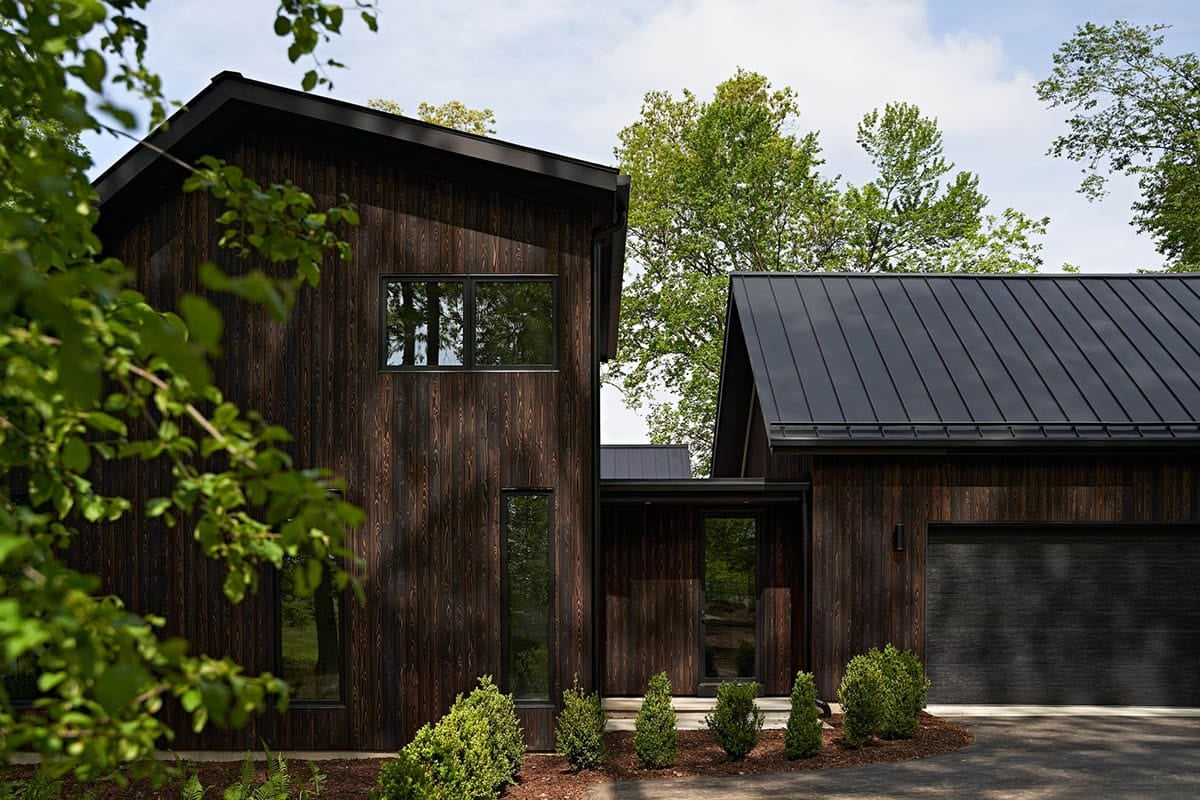
Located in Hillsdale, Michigan, Baw Beese House is a 4,300-square-foot, multi-generational lake house retreat designed by Disbrow Iannuzzi Architects. The project is a contextual response to social, familial, community, economic, and health conditions, allowing multiple generations of family members to safely occupy the place together or separately for years to come.
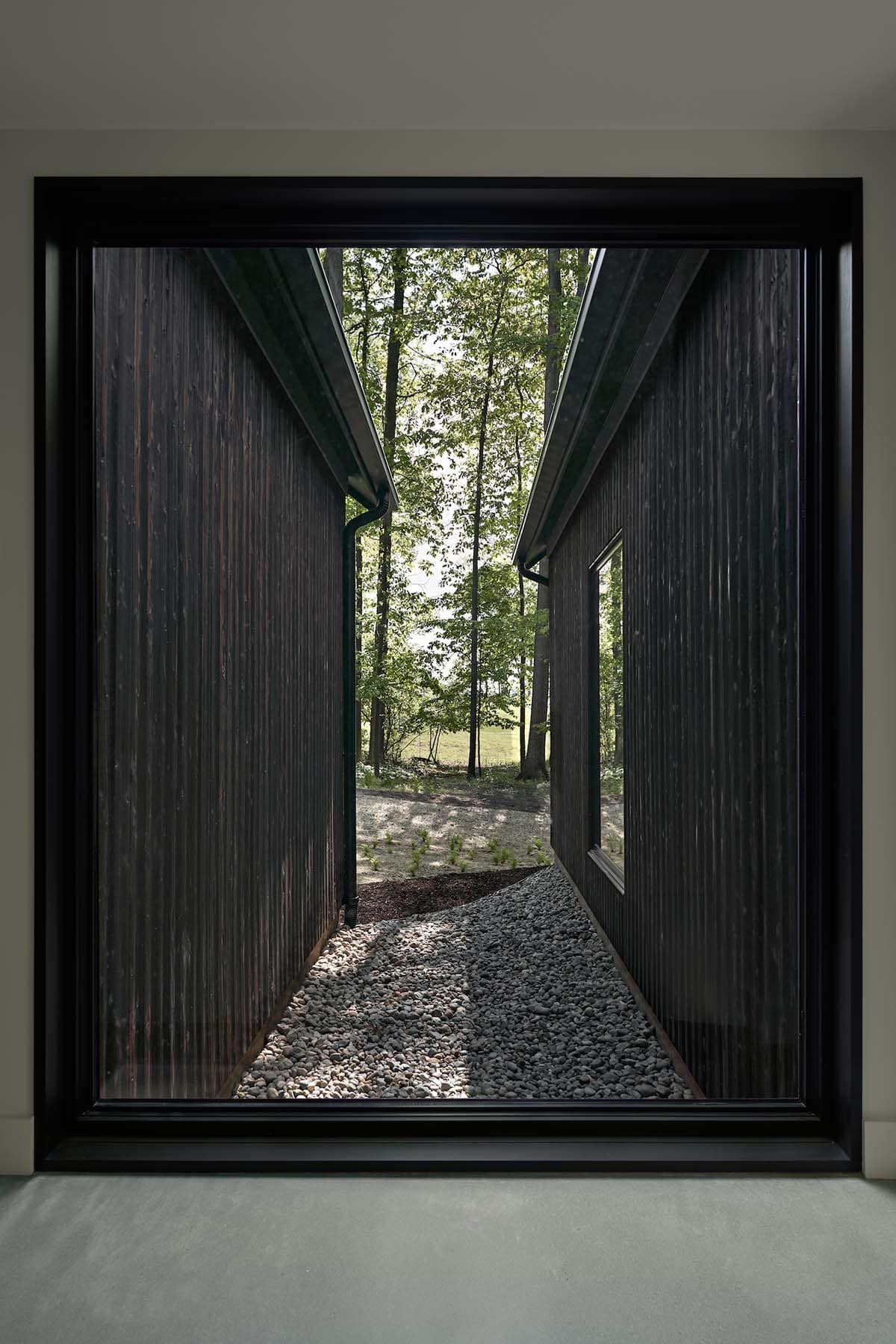
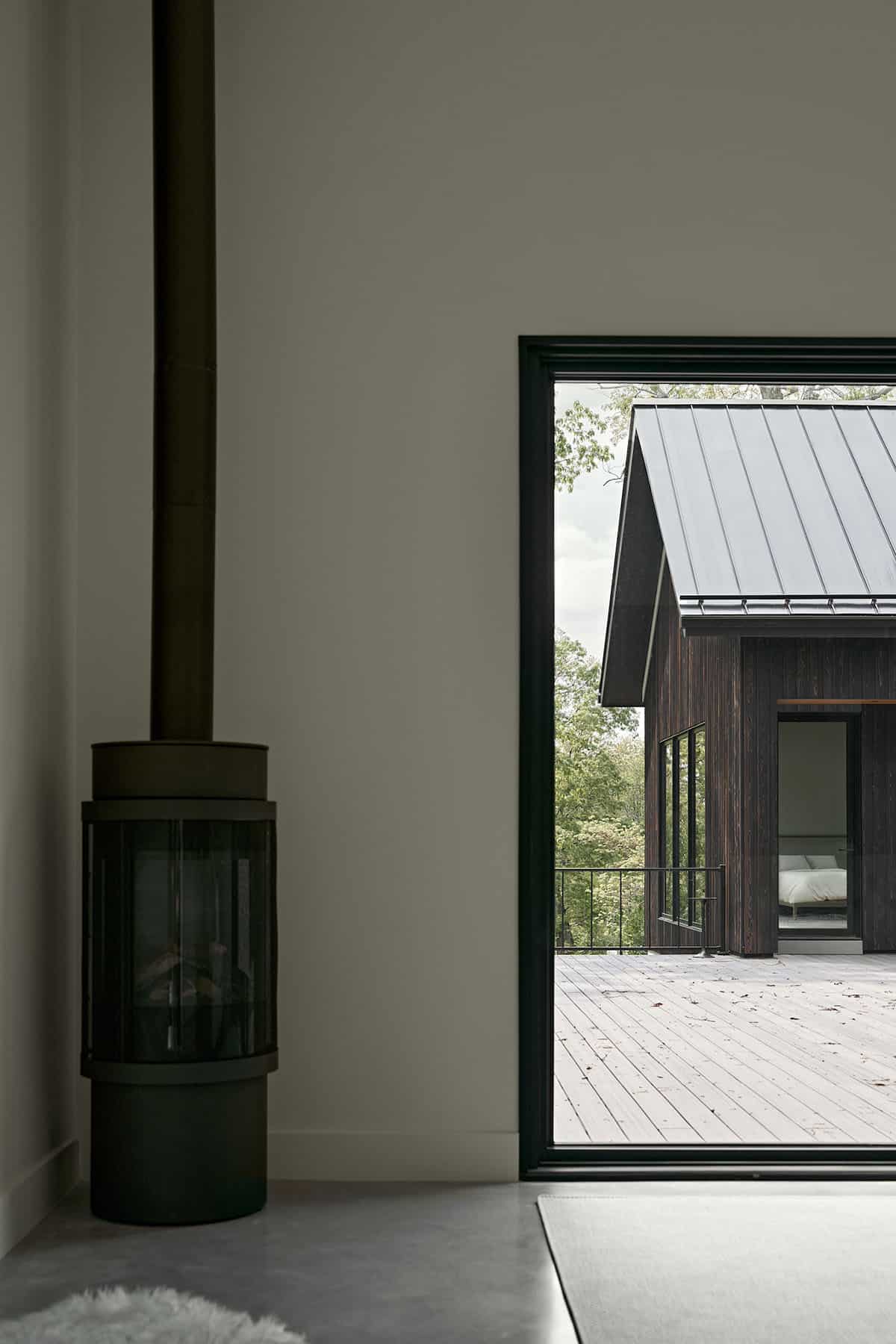
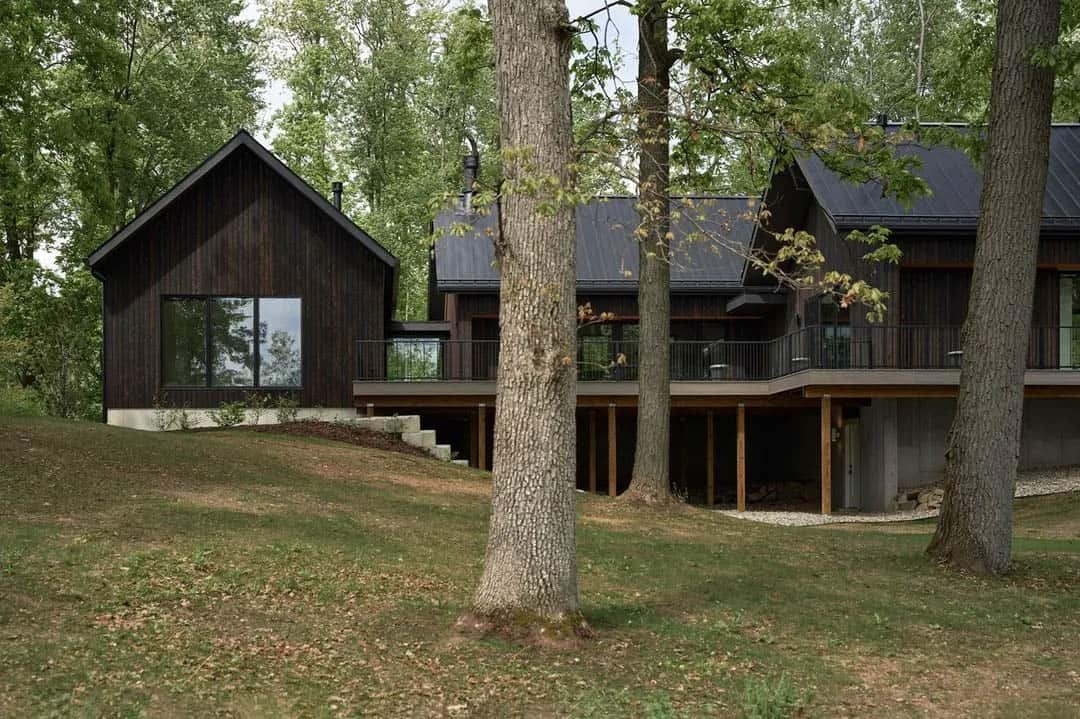
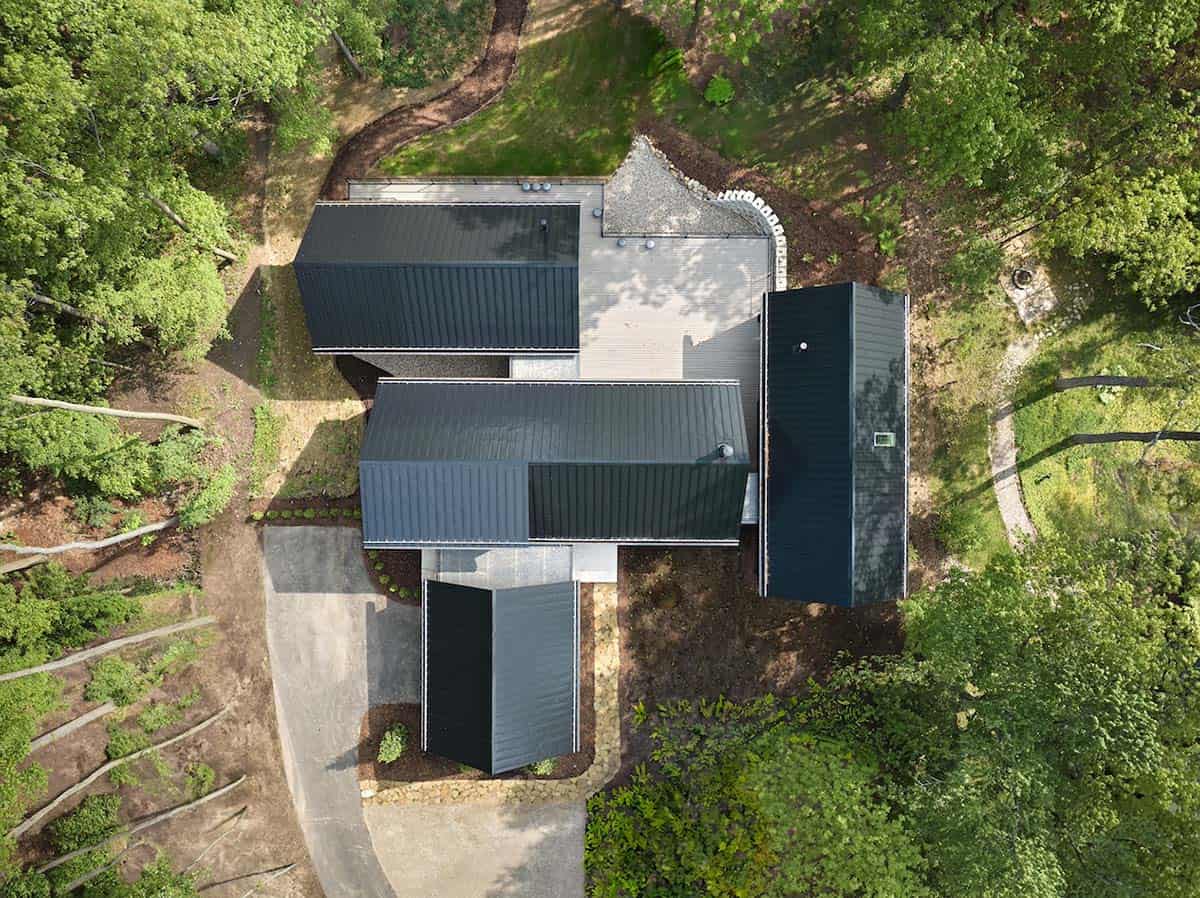
This lakeside house is divided into four smaller volumes to minimize its visual impact and overall scale. Aside from the garage, three volumes function as individual cabins that can be inhabited independently or in any combination, depending on which family members are present at the time.
DESIGN DETAILS
ARCHITECT Disbrow Iannuzzi Architects
BUILDER Giraffe Design Build
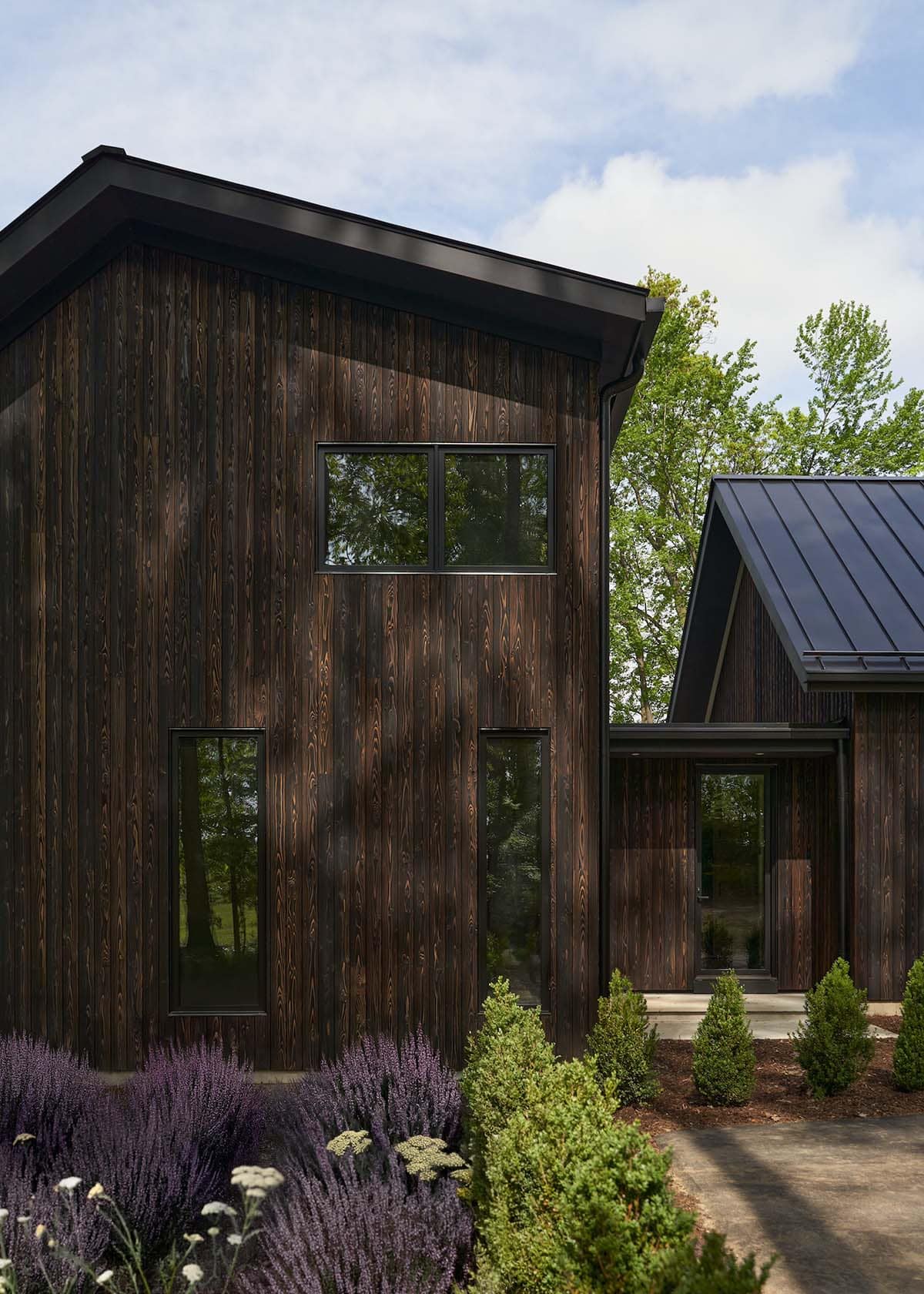
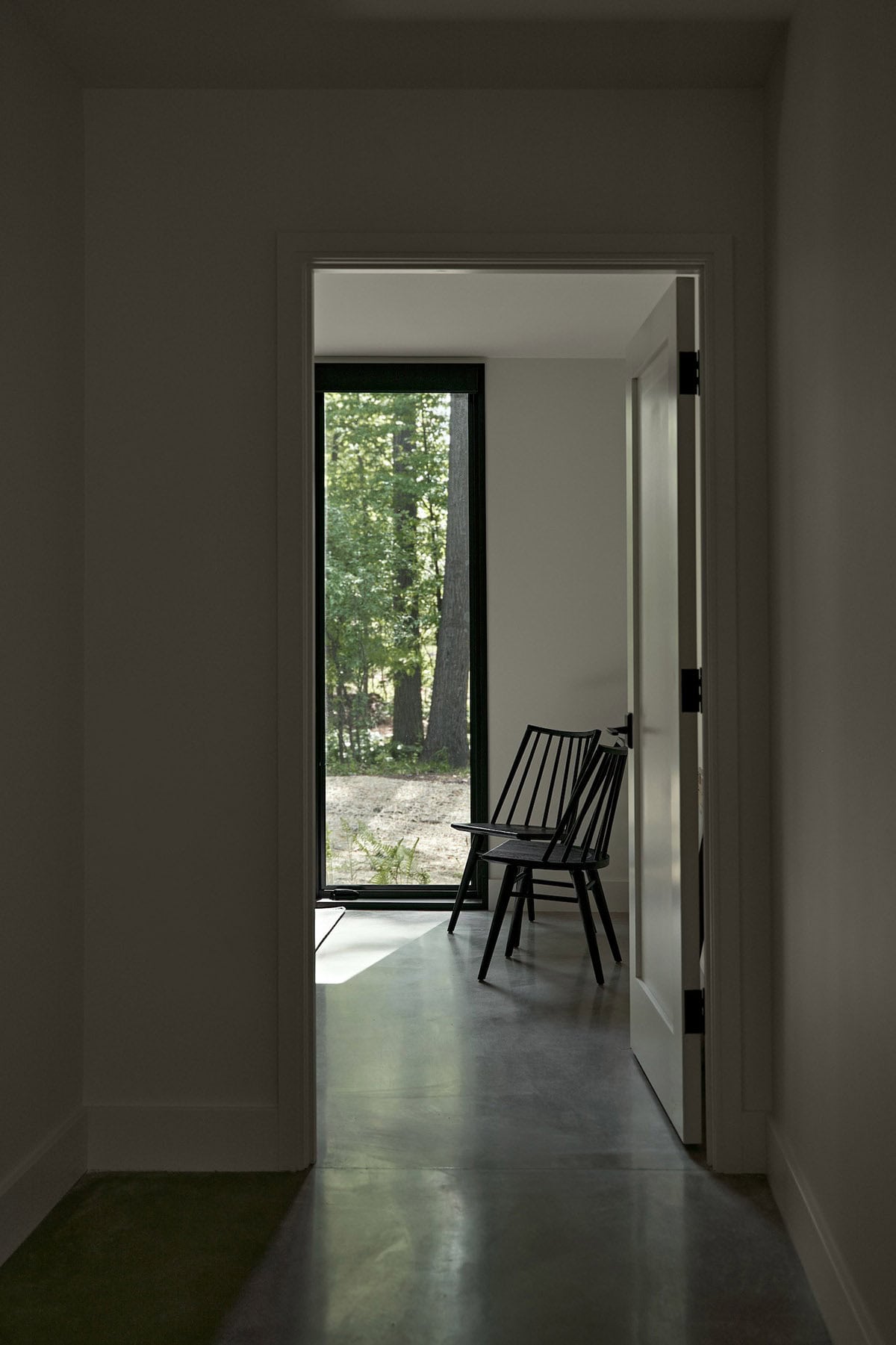
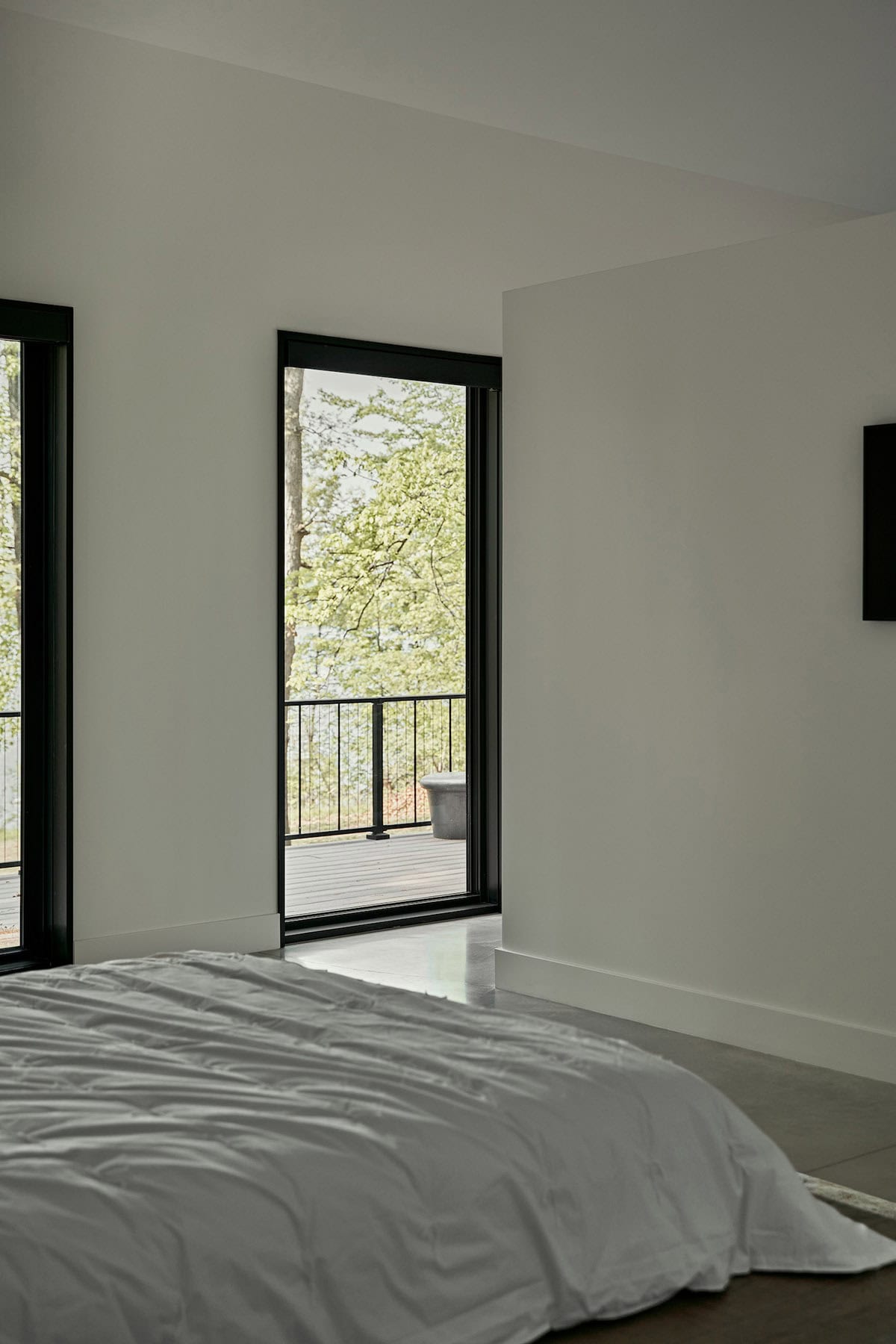
The space dedicated to the family’s matriarch includes a combined kitchenette and sitting area, bedroom, bathroom, and storage with views overlooking Baw Beese Lake. This allows her to visit and inhabit the home without opening any of the other portions of the home. Similarly, there is a section dedicated to her daughter’s young family of four, which includes two bedrooms, two bathrooms, dedicated HVAC, and storage.
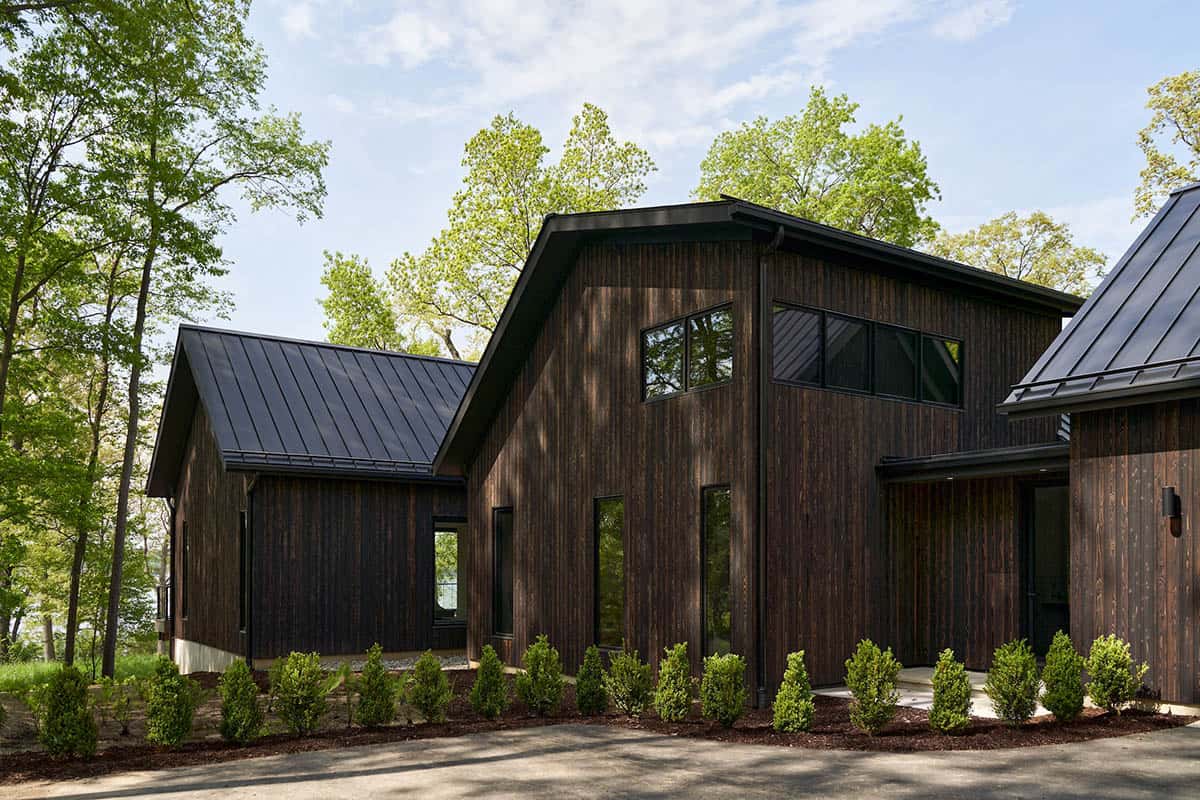
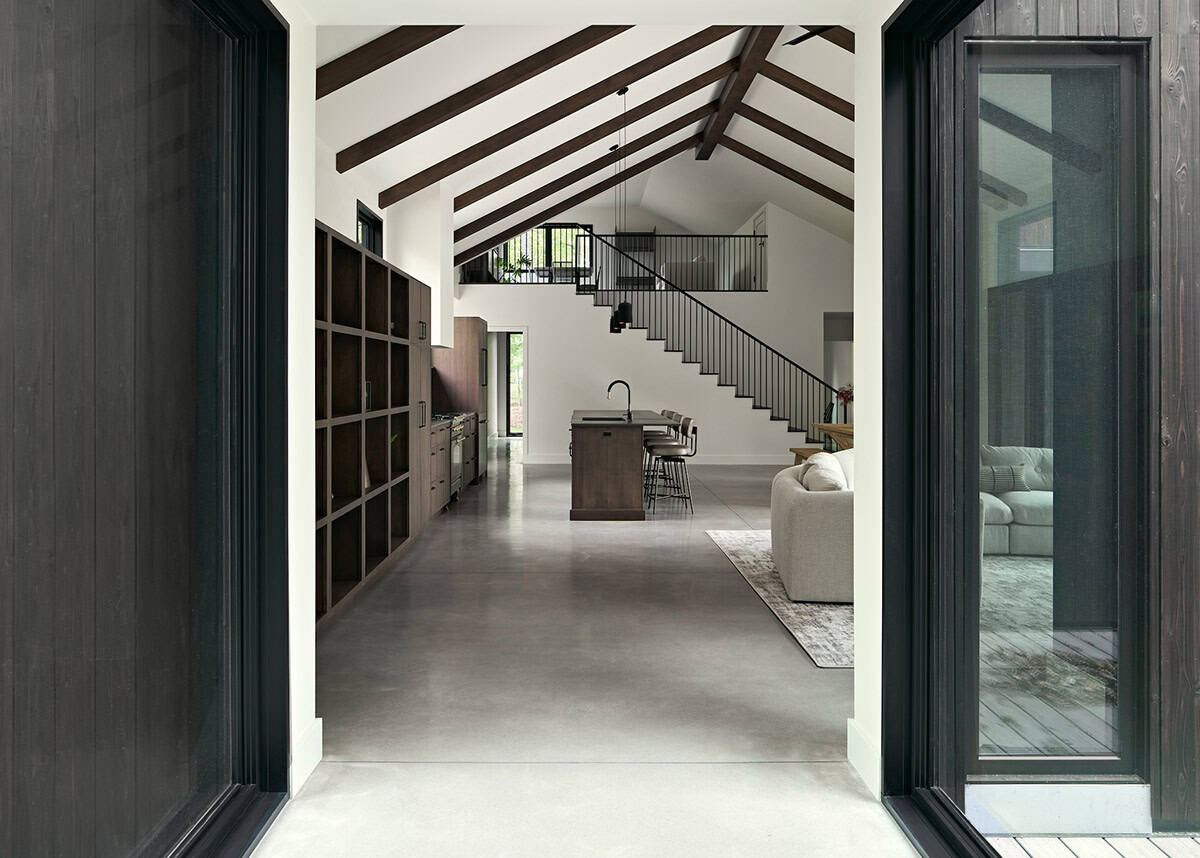
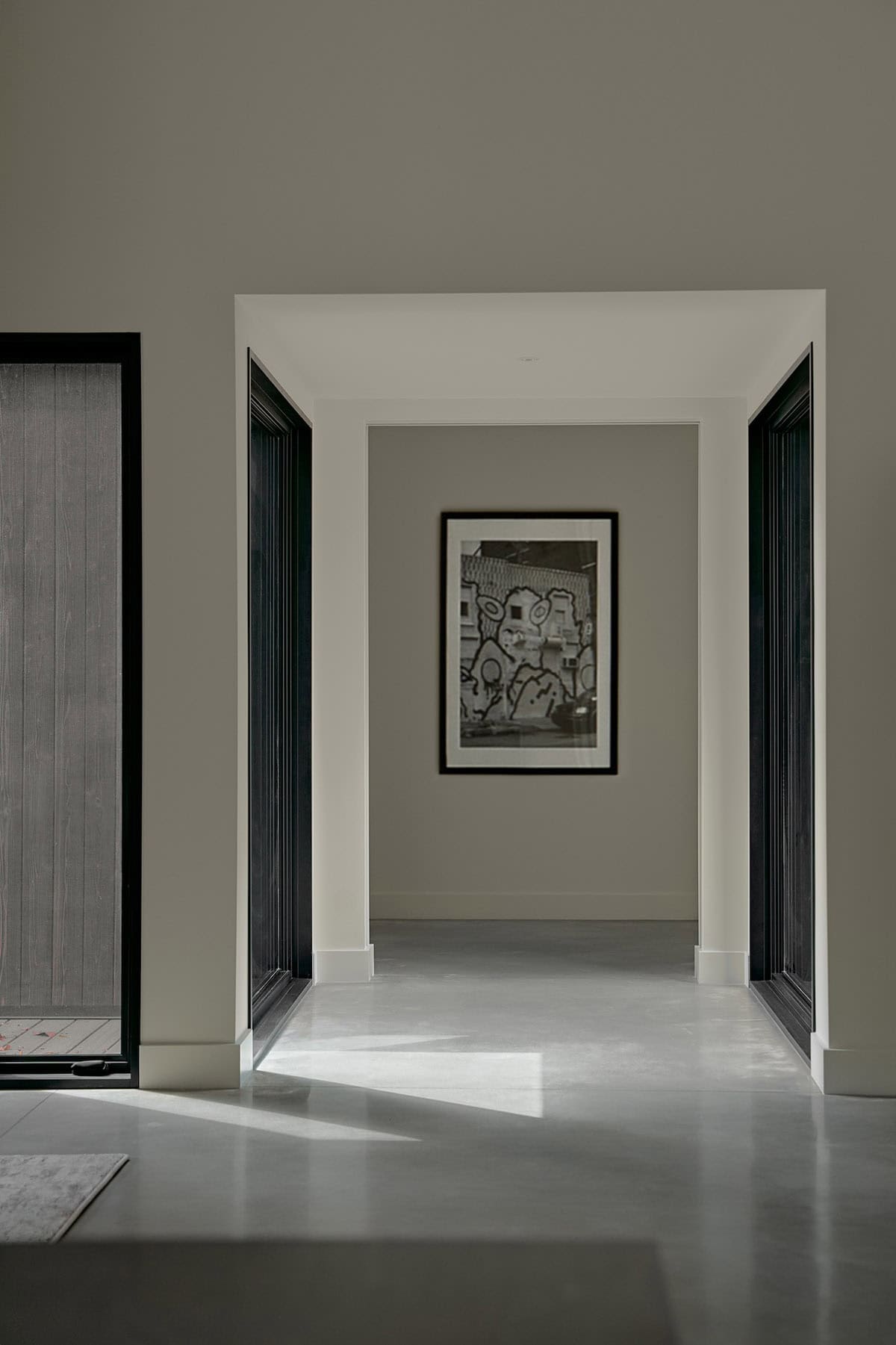
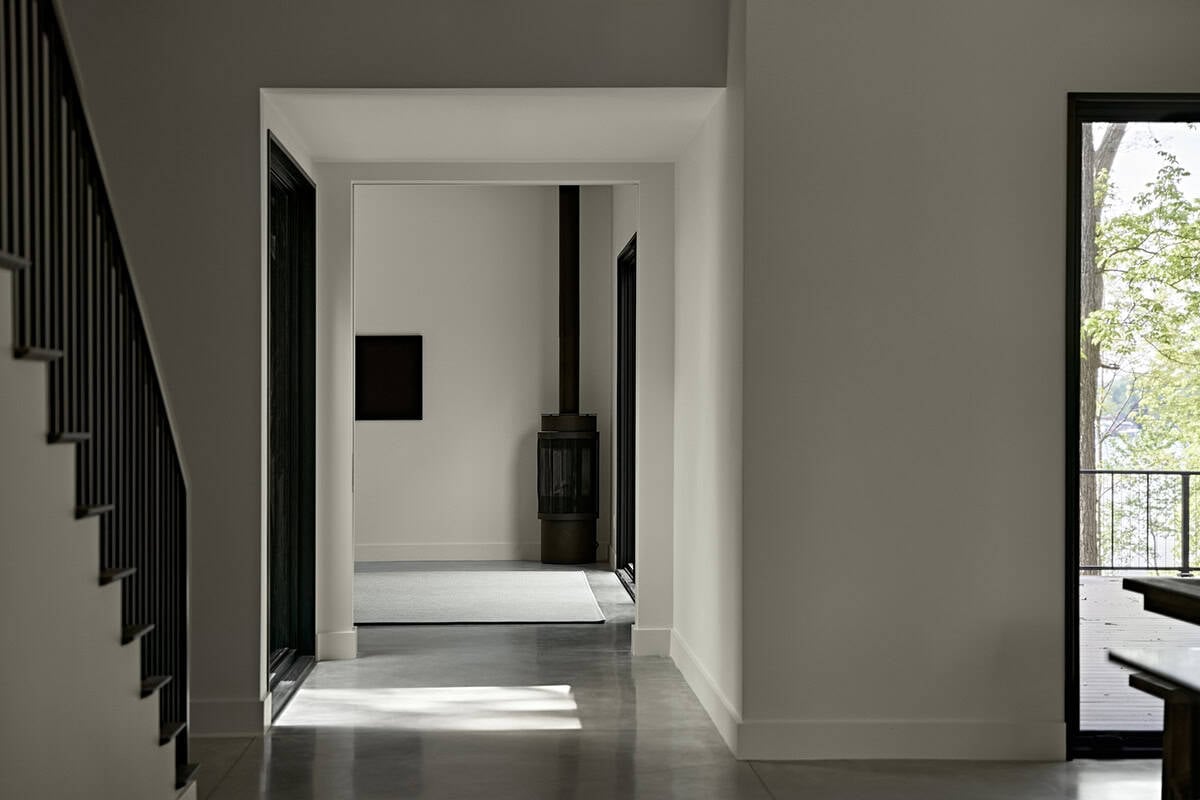
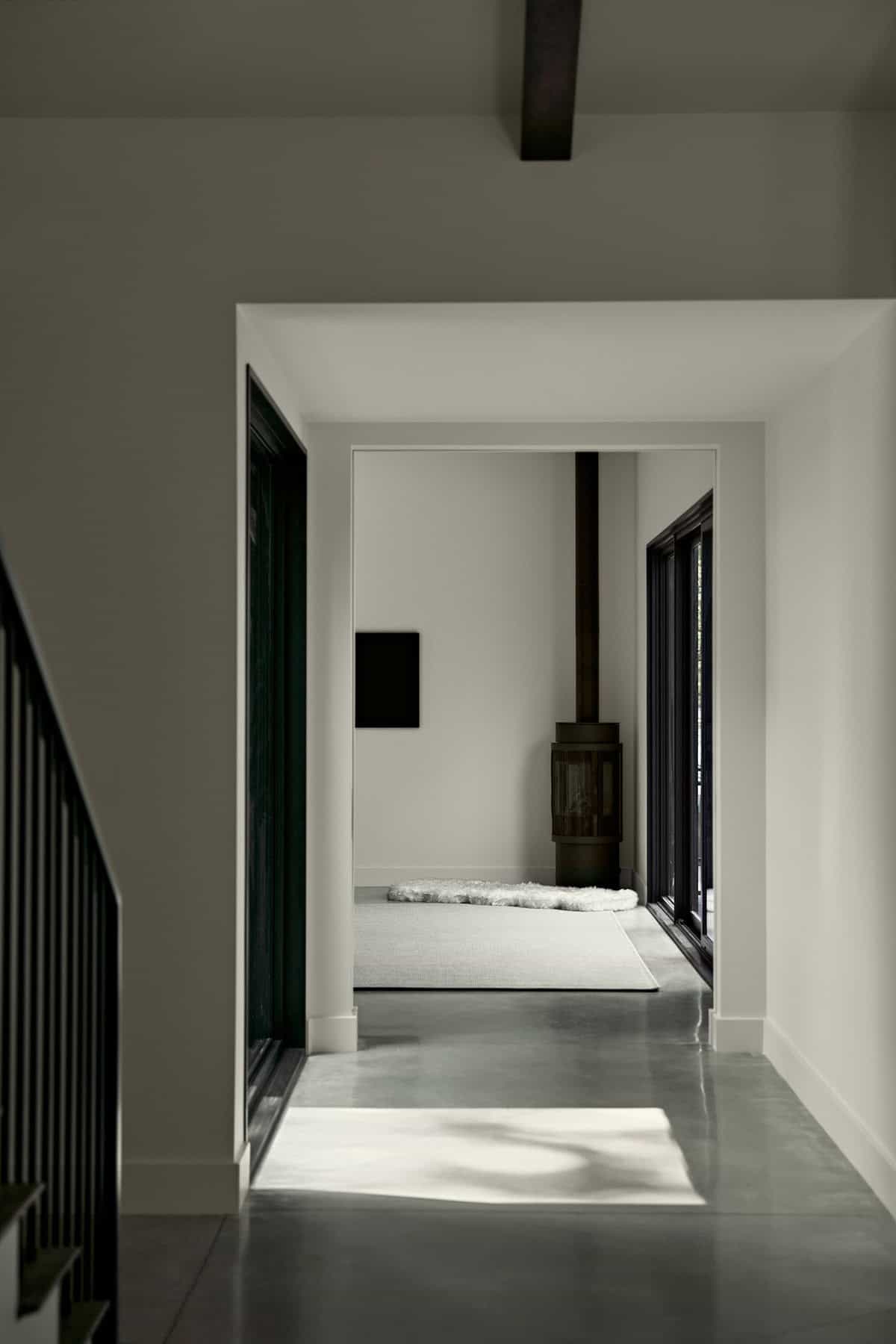
The third and largest volume contains the primary kitchen and living areas, along with a guest suite and a lofted work area. While this live-work volume can operate independently, it is often enjoyed as a central, gathering space when all family members and their friends are present on the same occasion. Glass corridors link the volumes, forming light-filled transitional spaces.
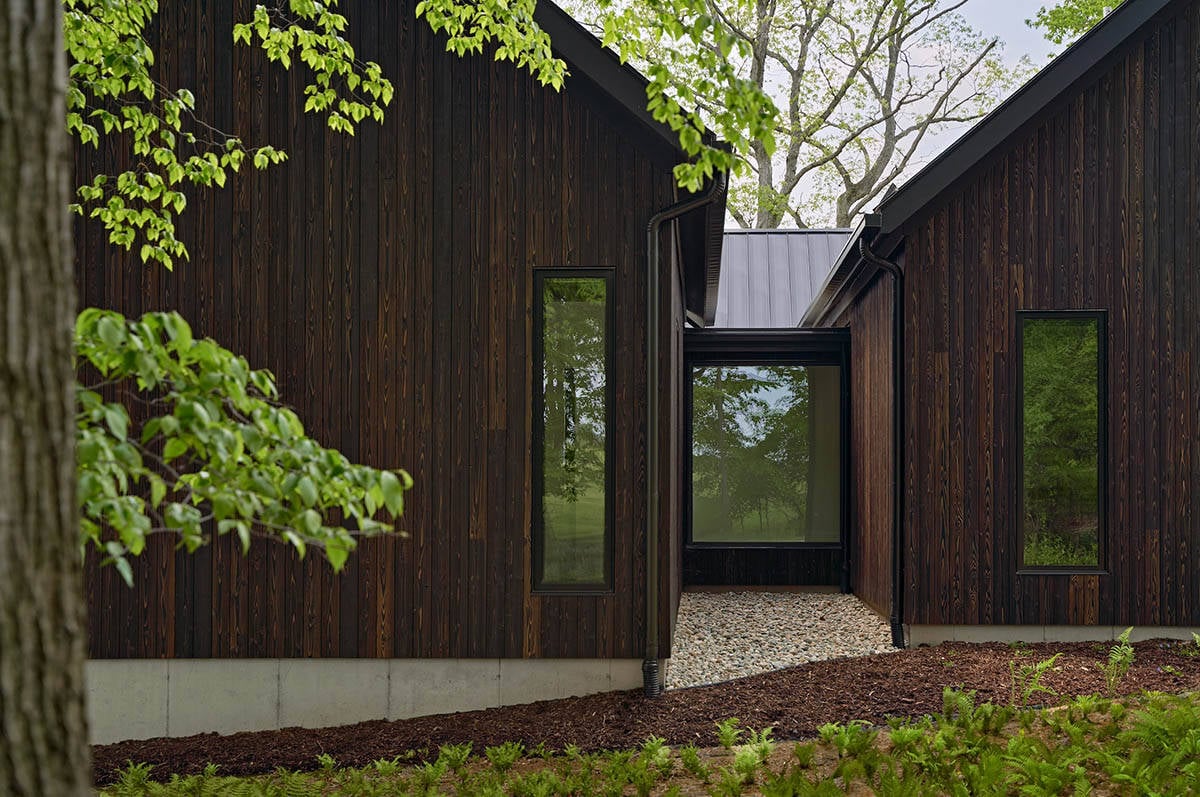
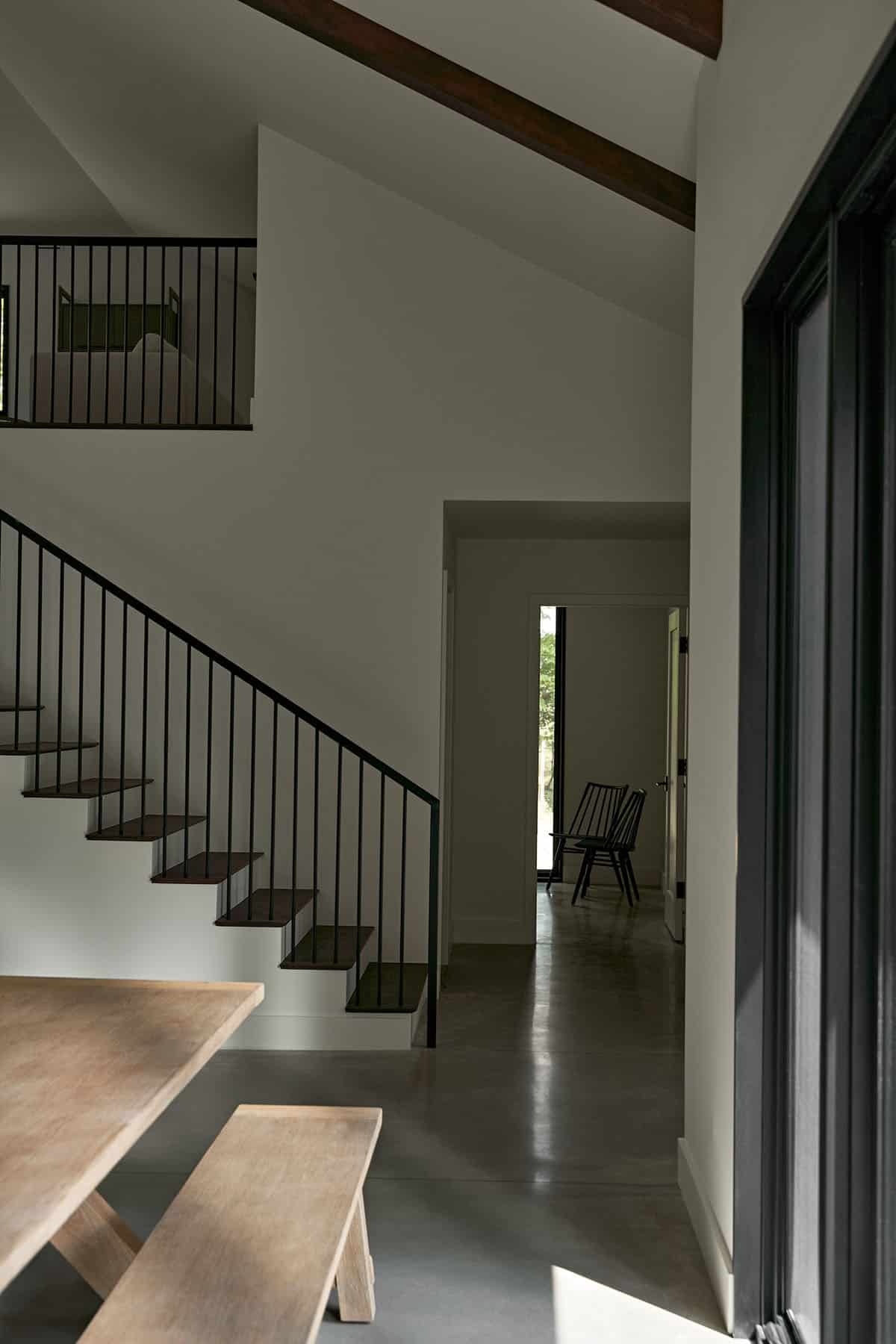
With a focus on aging-in-place, the structure maintains a single floor level among all volumes, and the home appears to hover above the property as the site’s natural contours descend towards Baw Beese Lake.
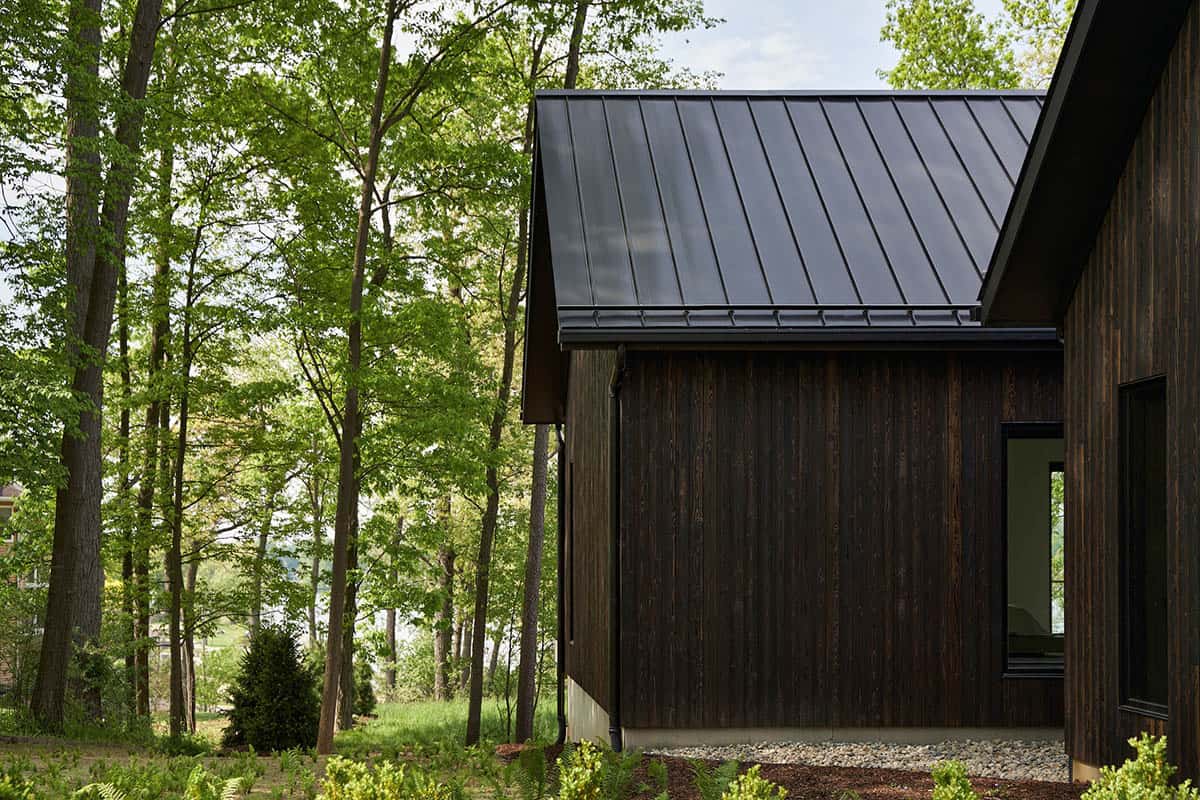
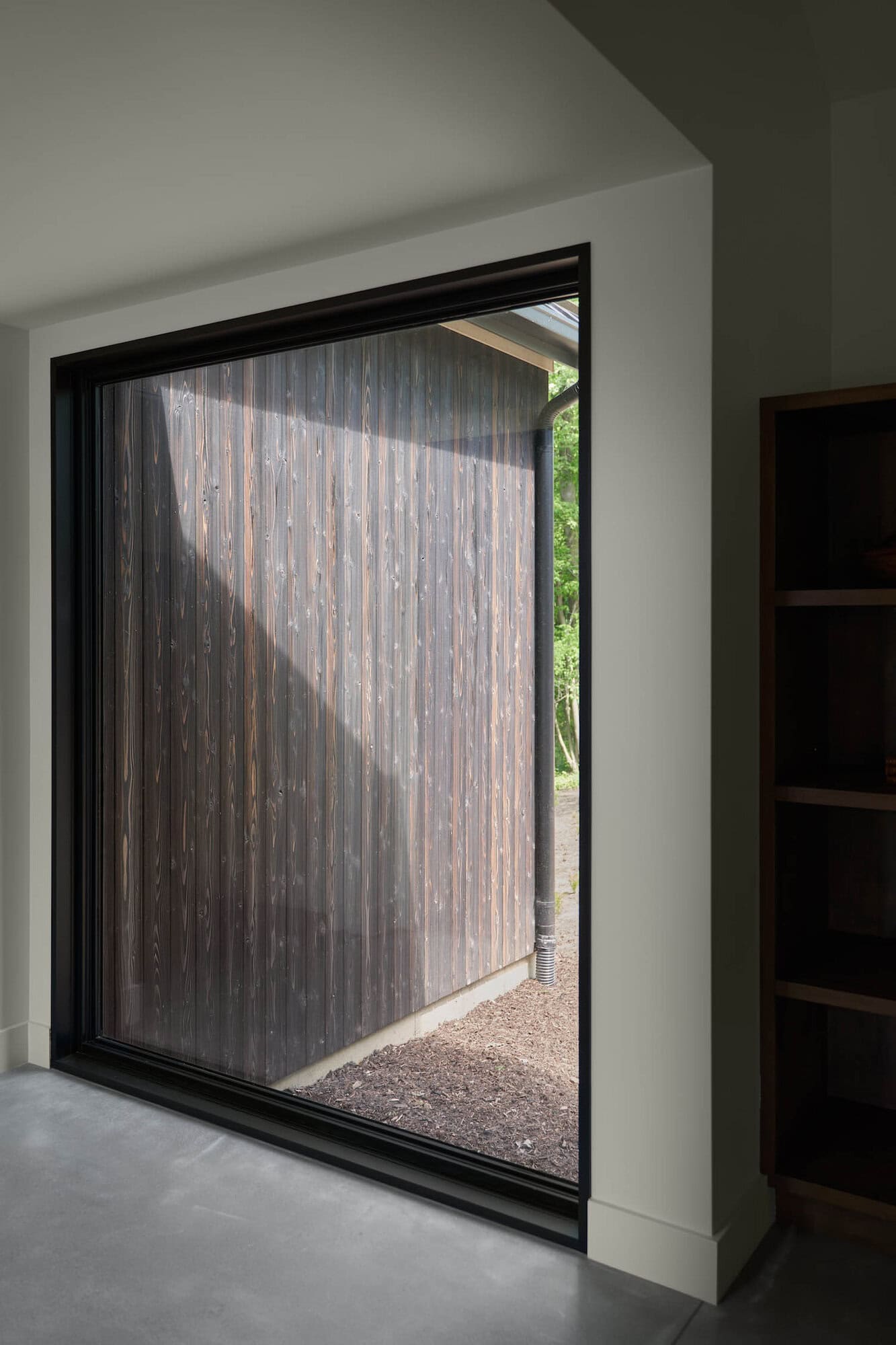
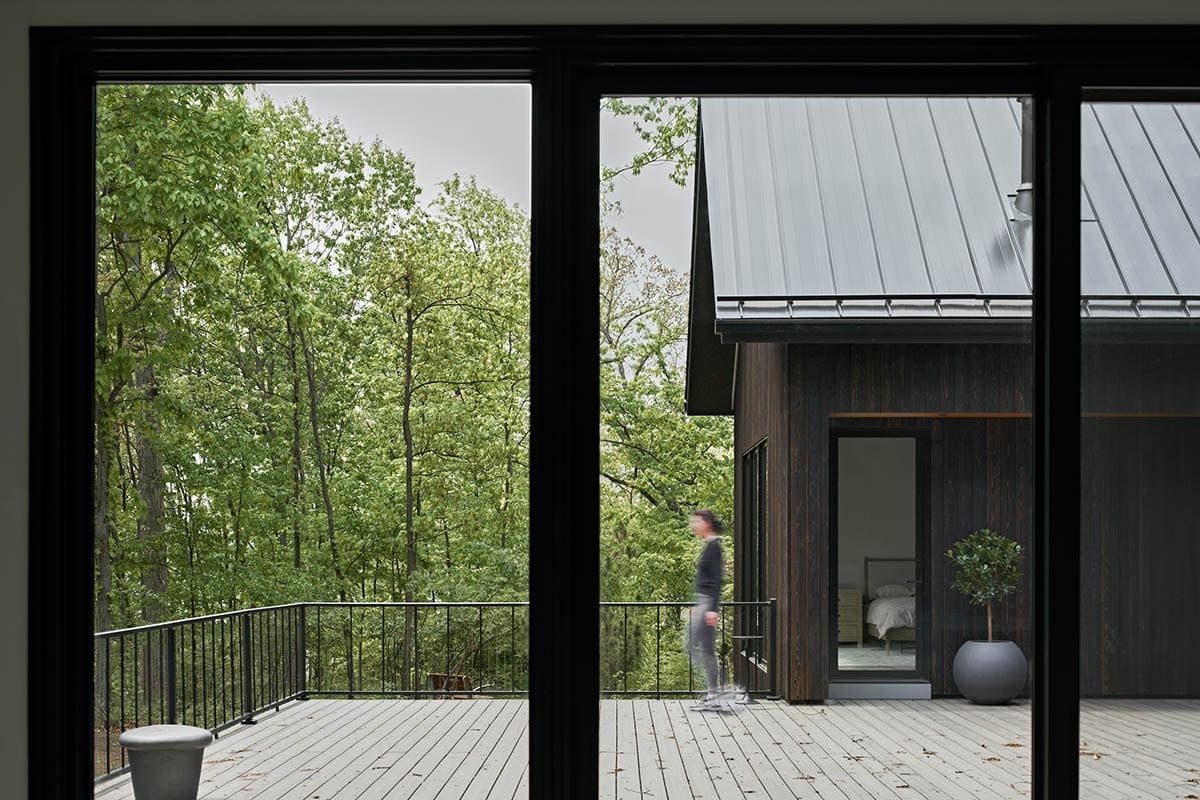
The cabins are clad entirely in dark shou sugi ban wood, in order to blend into the surroundings and reinforce a feeling of continuity.
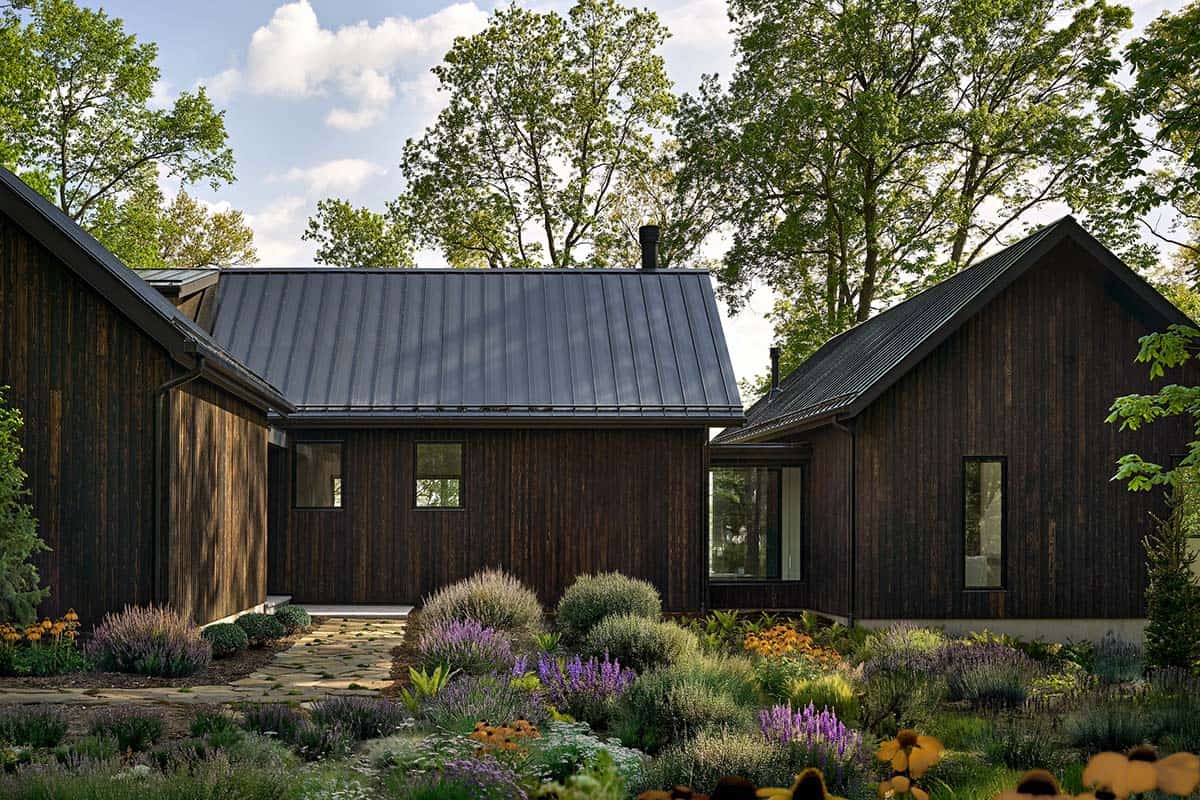
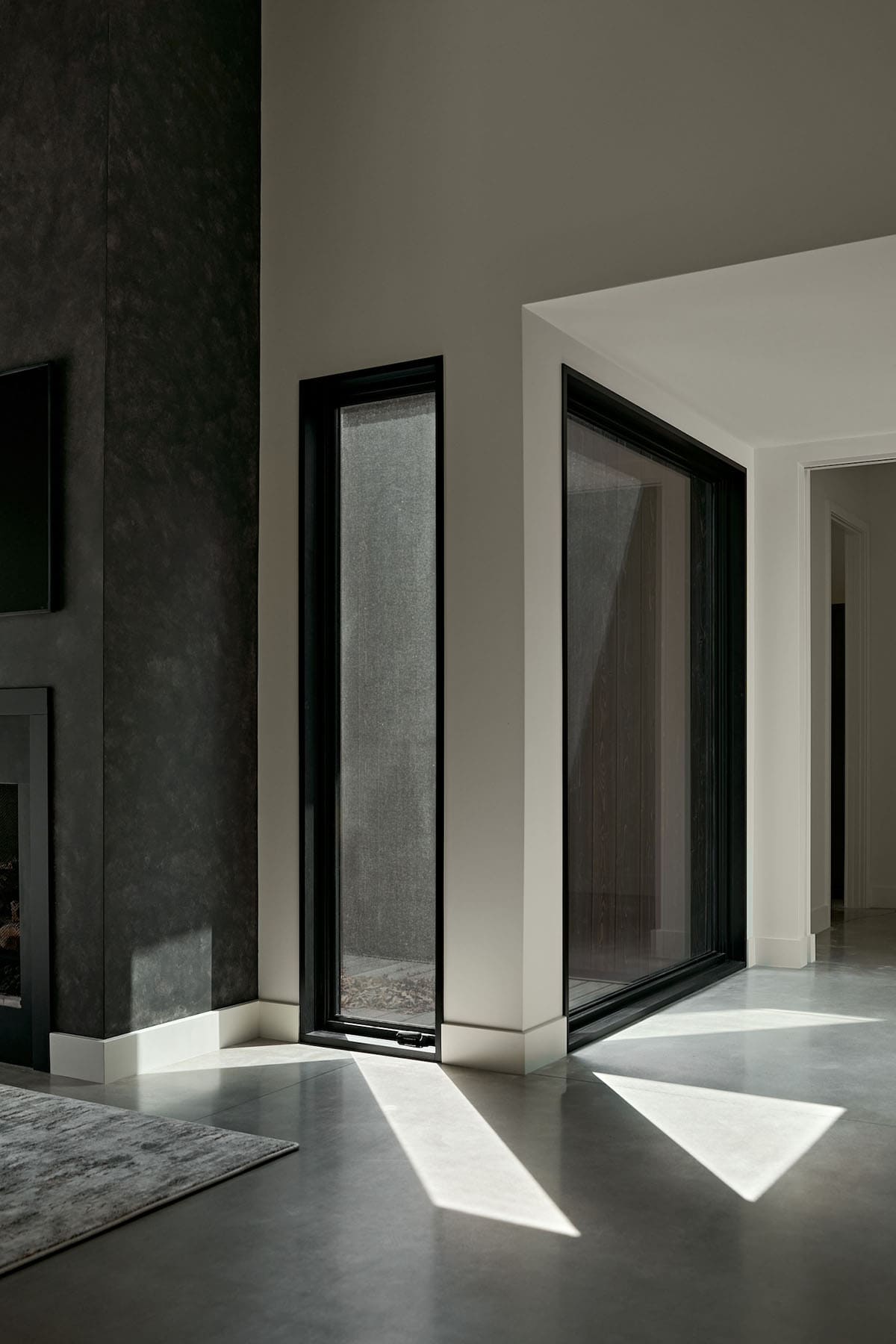
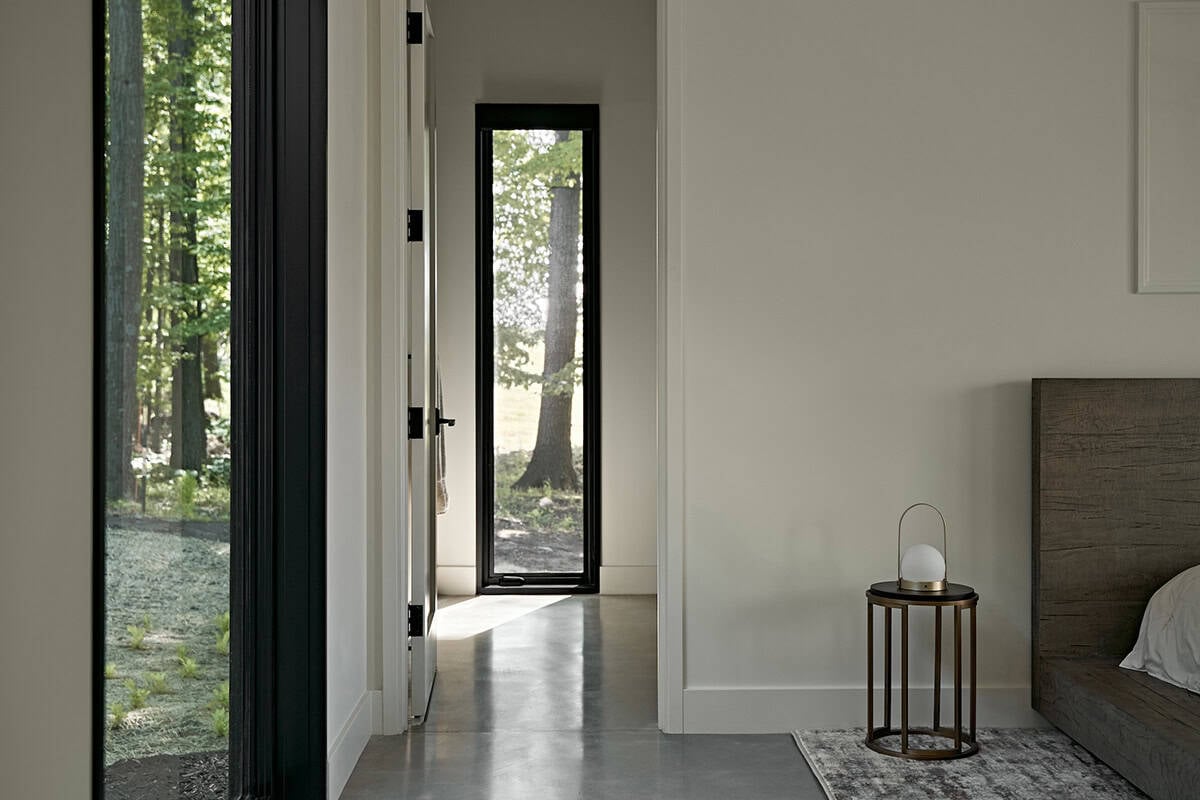
The structure is sited to have minimal impact on the land and constructed to have minimal carbon footprint. Hydronic radiant heat in the concrete floor acts as a thermal battery, eliminating the need for gas-fired furnaces, while the polished concrete diminishes clutter and the need for additional finishes.
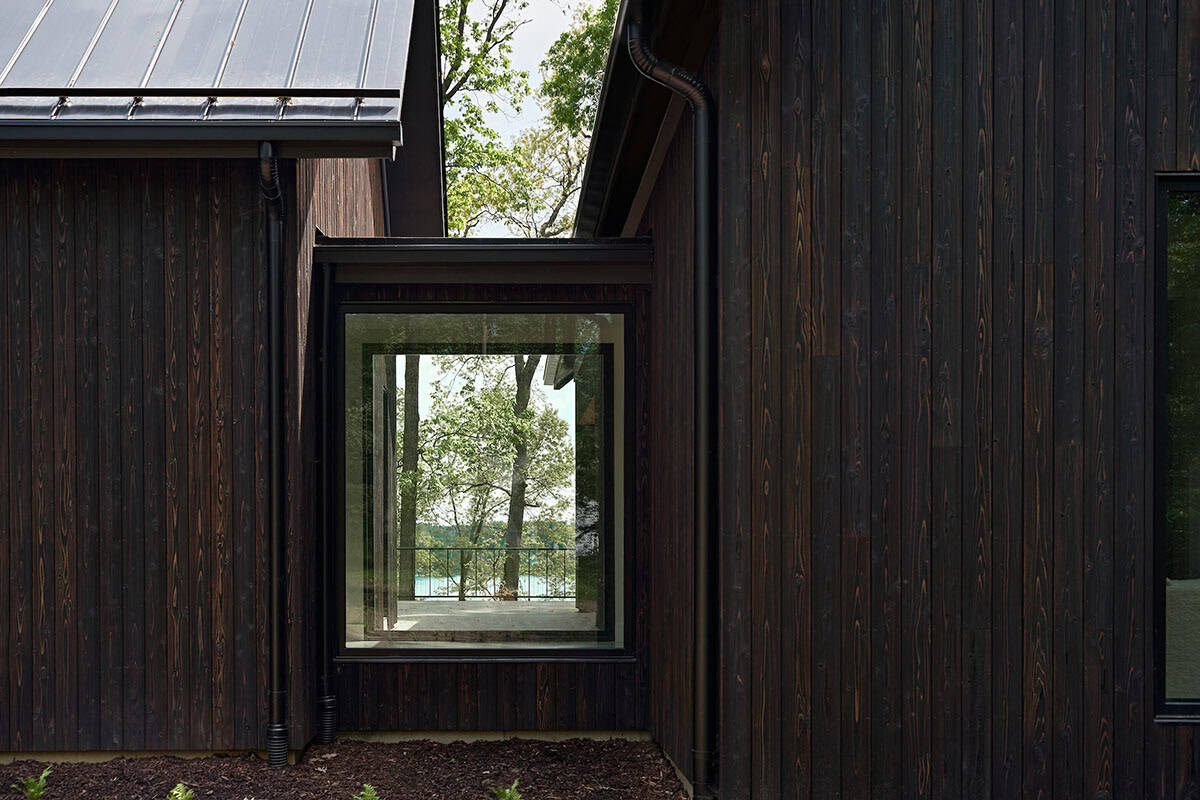
Non-toxic, high-performance insulation made from sheep’s wool manages temperature and moisture control in the walls, which are clad in a responsibly-sourced shou sugi ban wood siding.
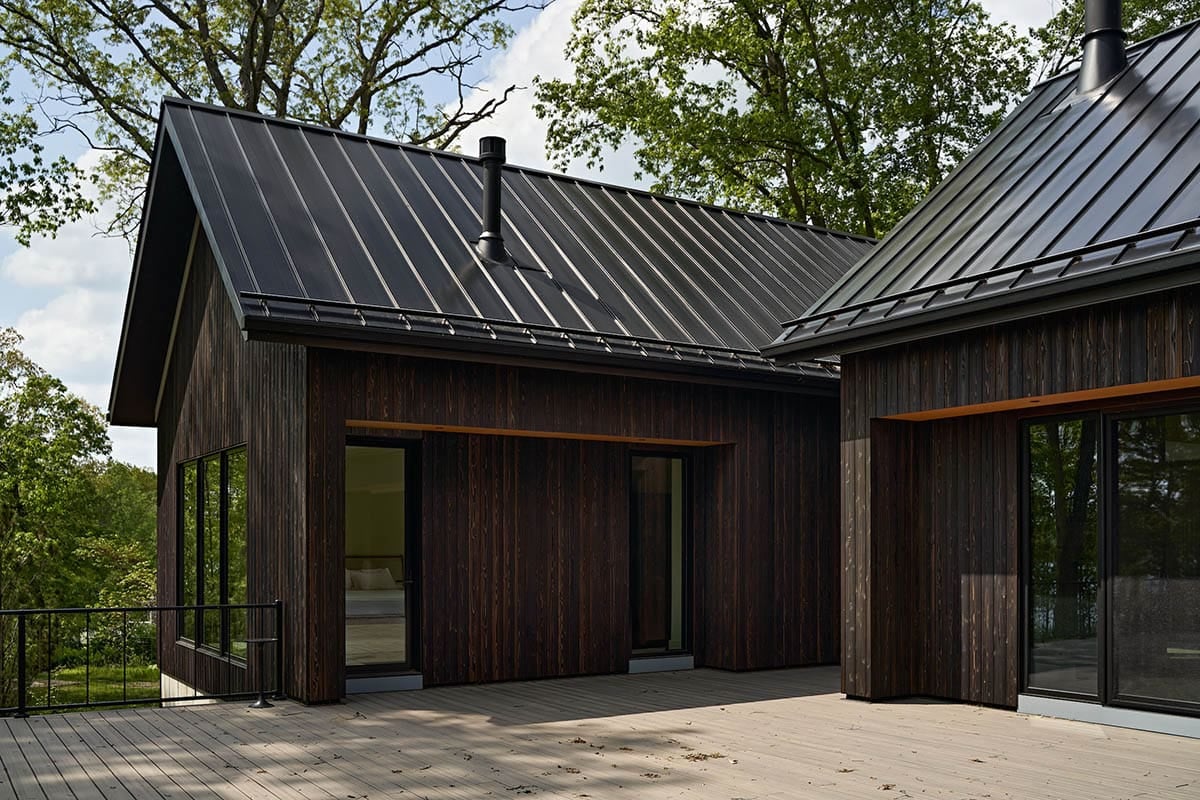
A standing seam steel “hot” roof is a low-maintenance solution for the remote home, and luxury high-performance windows round out the list of forward-thinking details.
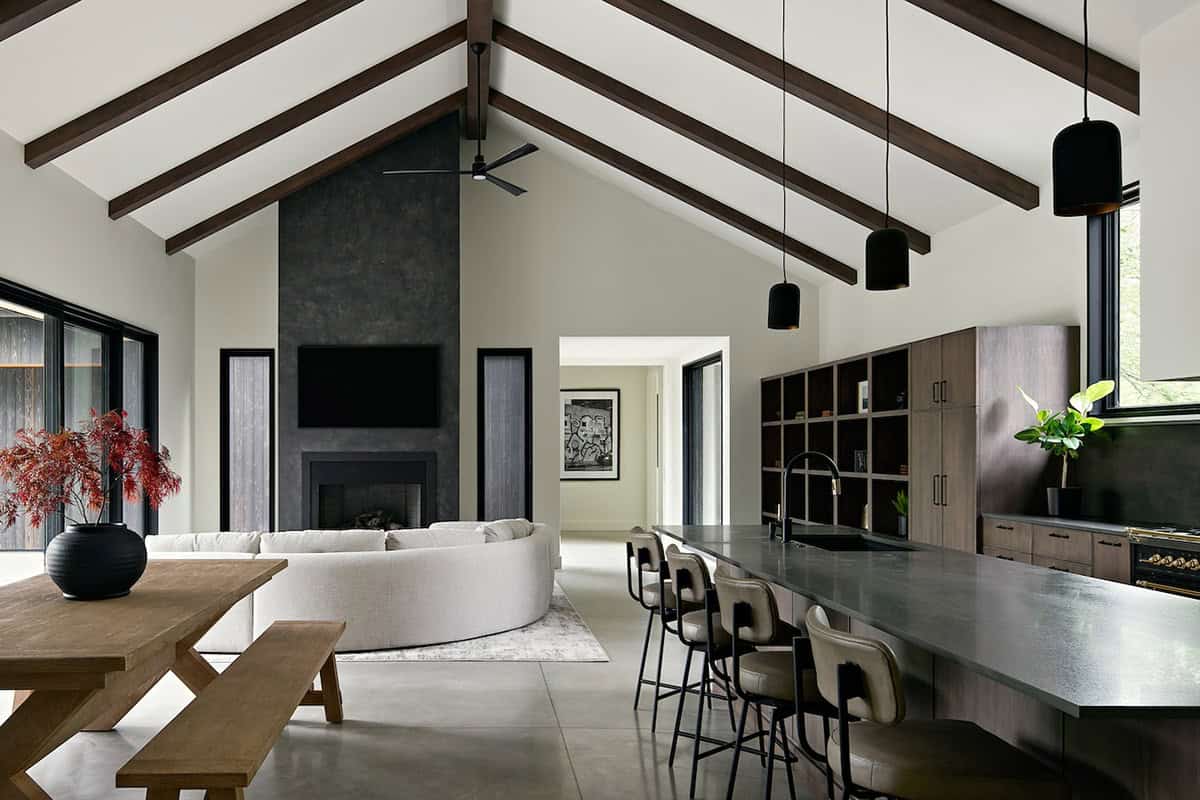
The result is a healthy building with improved indoor air quality that is highly functional regardless of the number of family members or guests hanging out for the weekend.
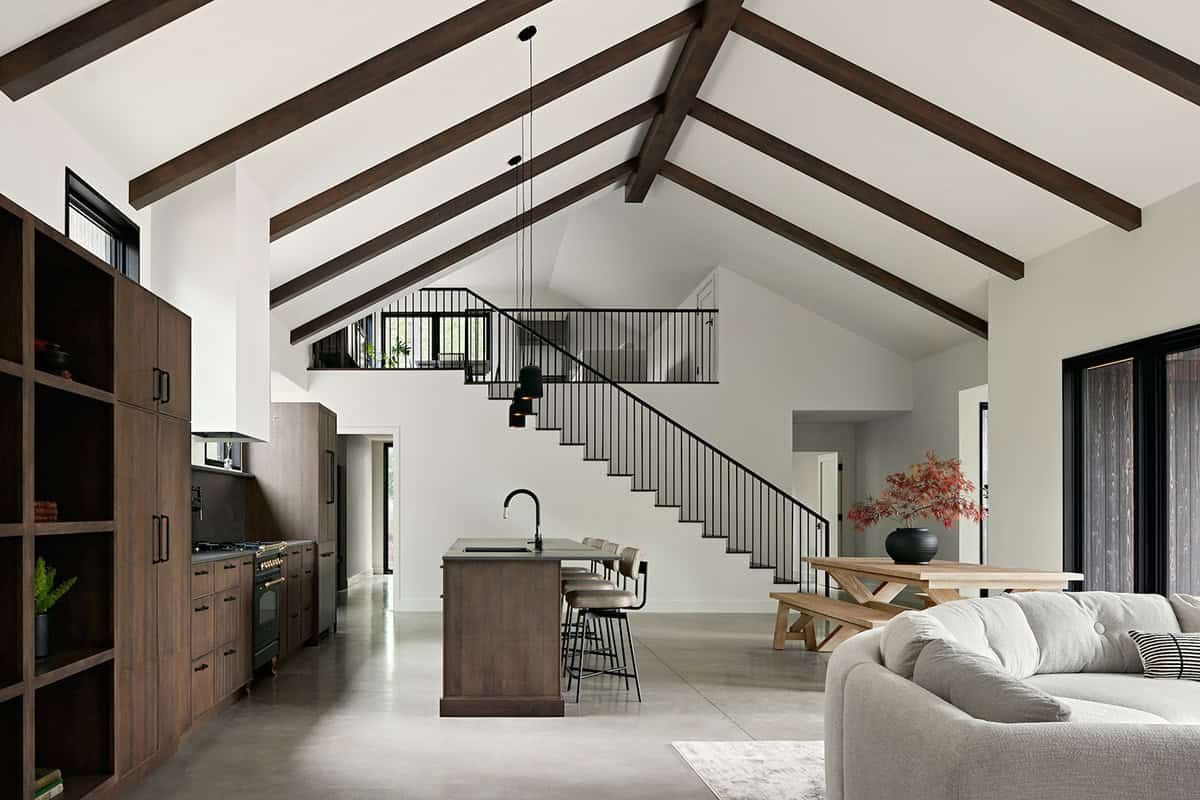
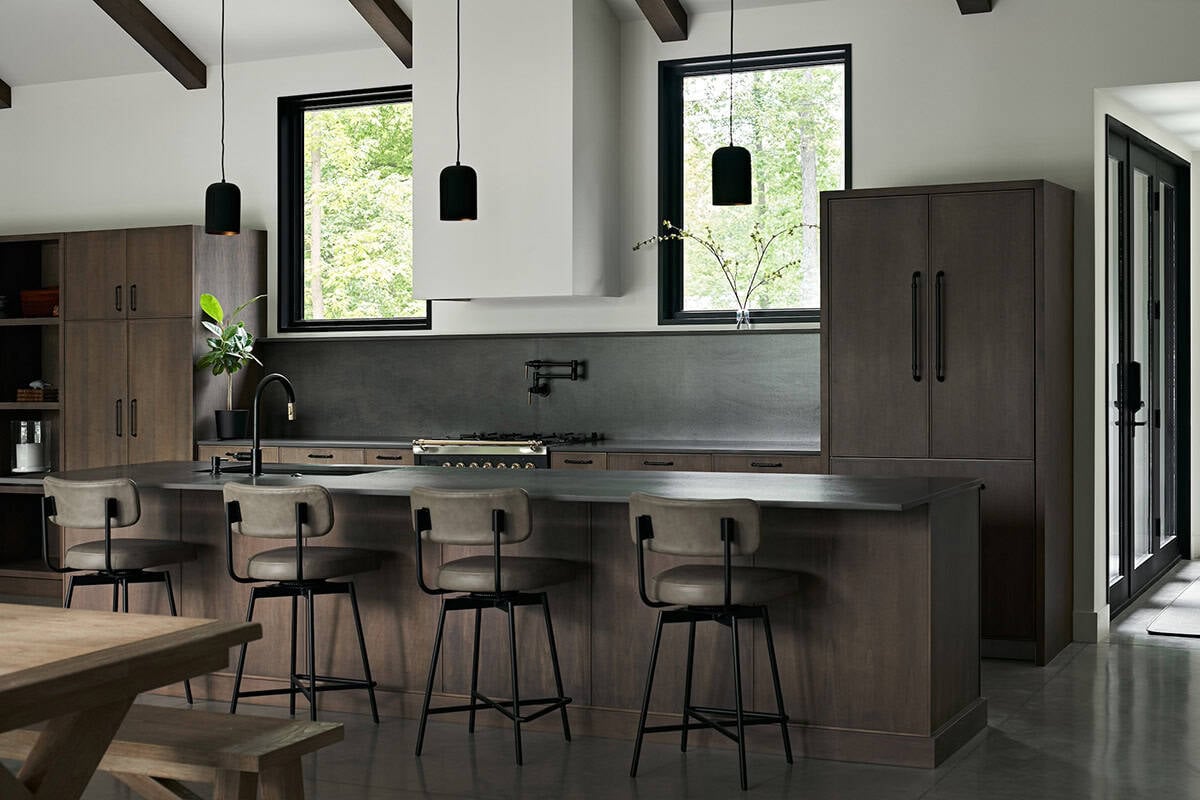
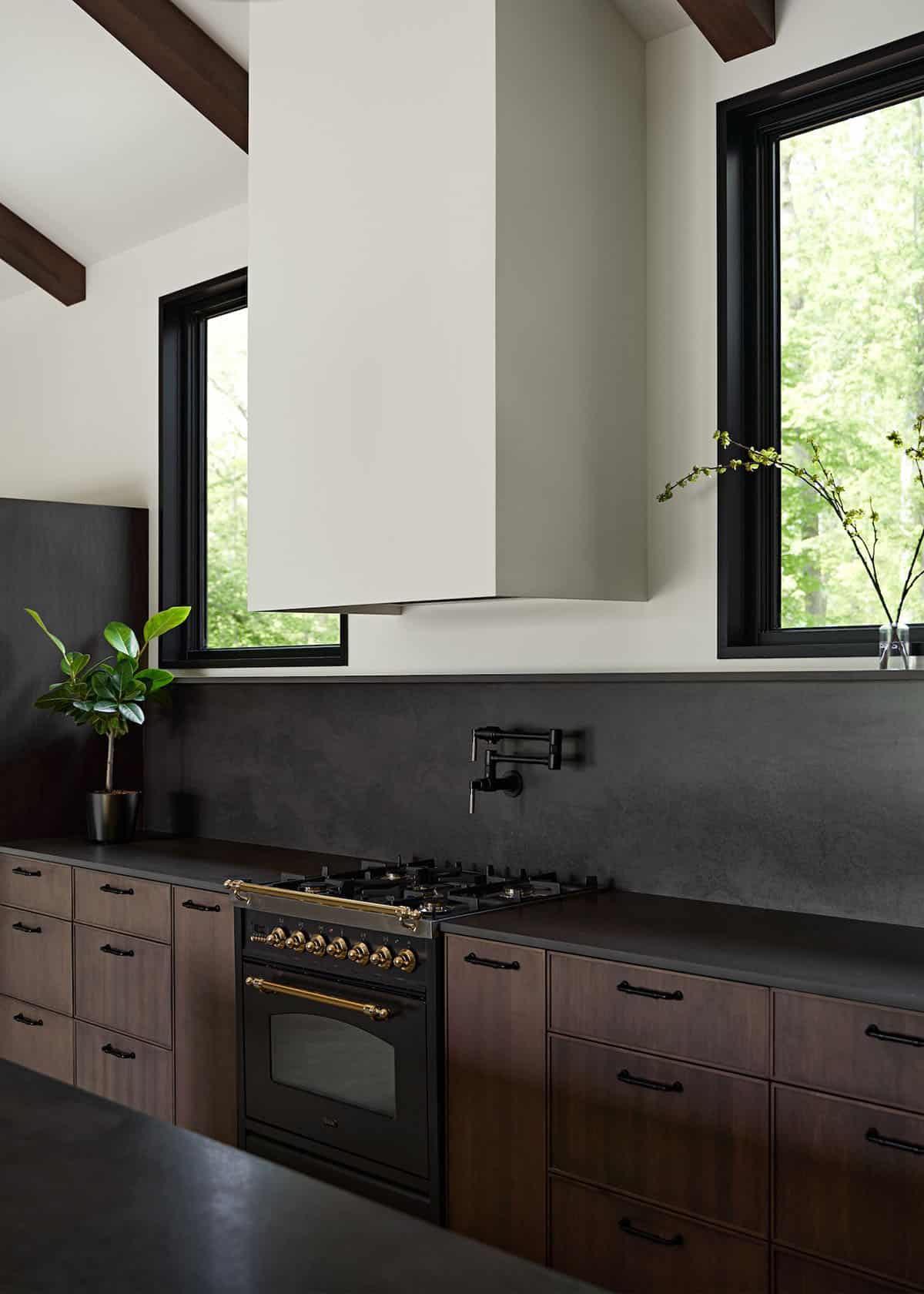
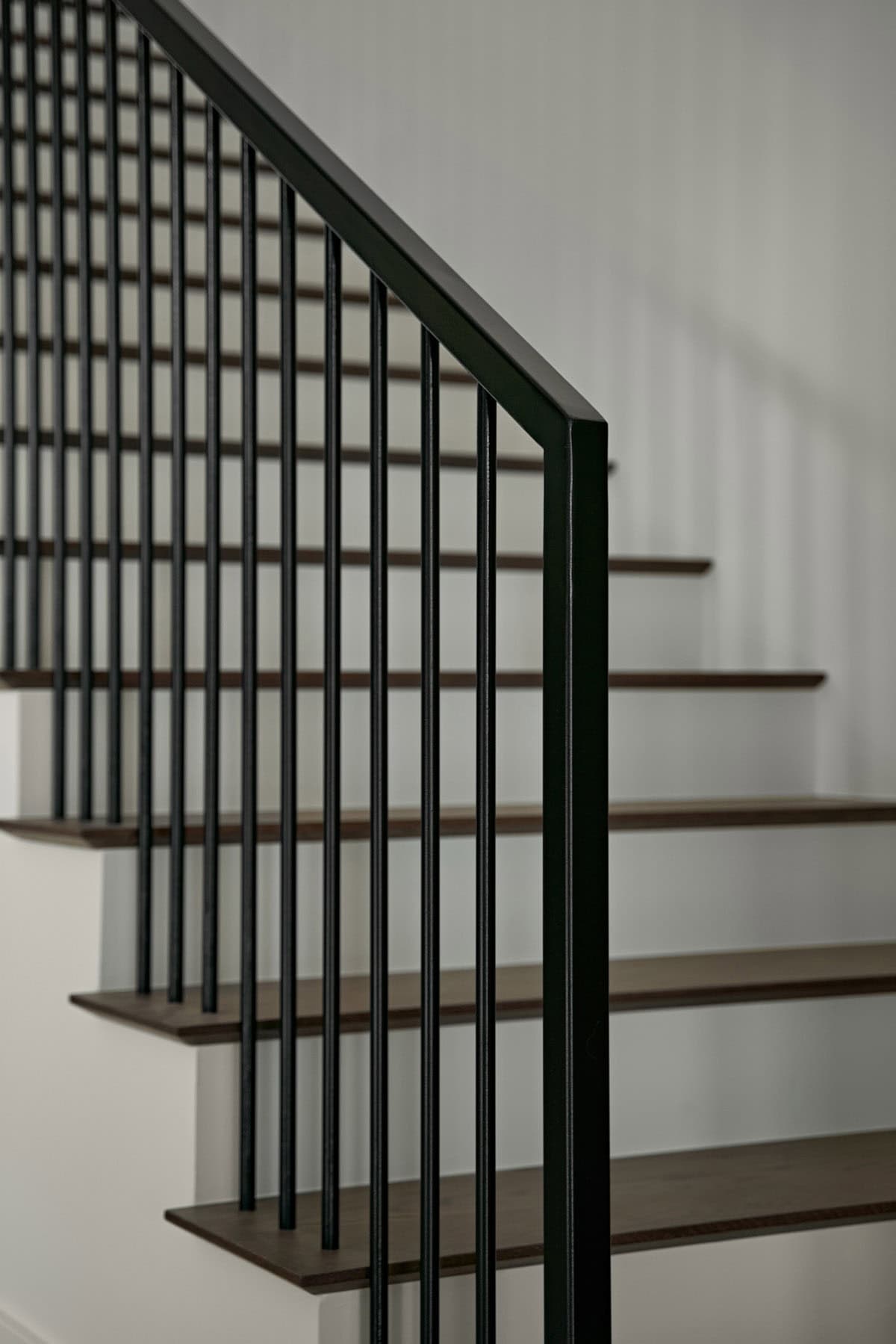
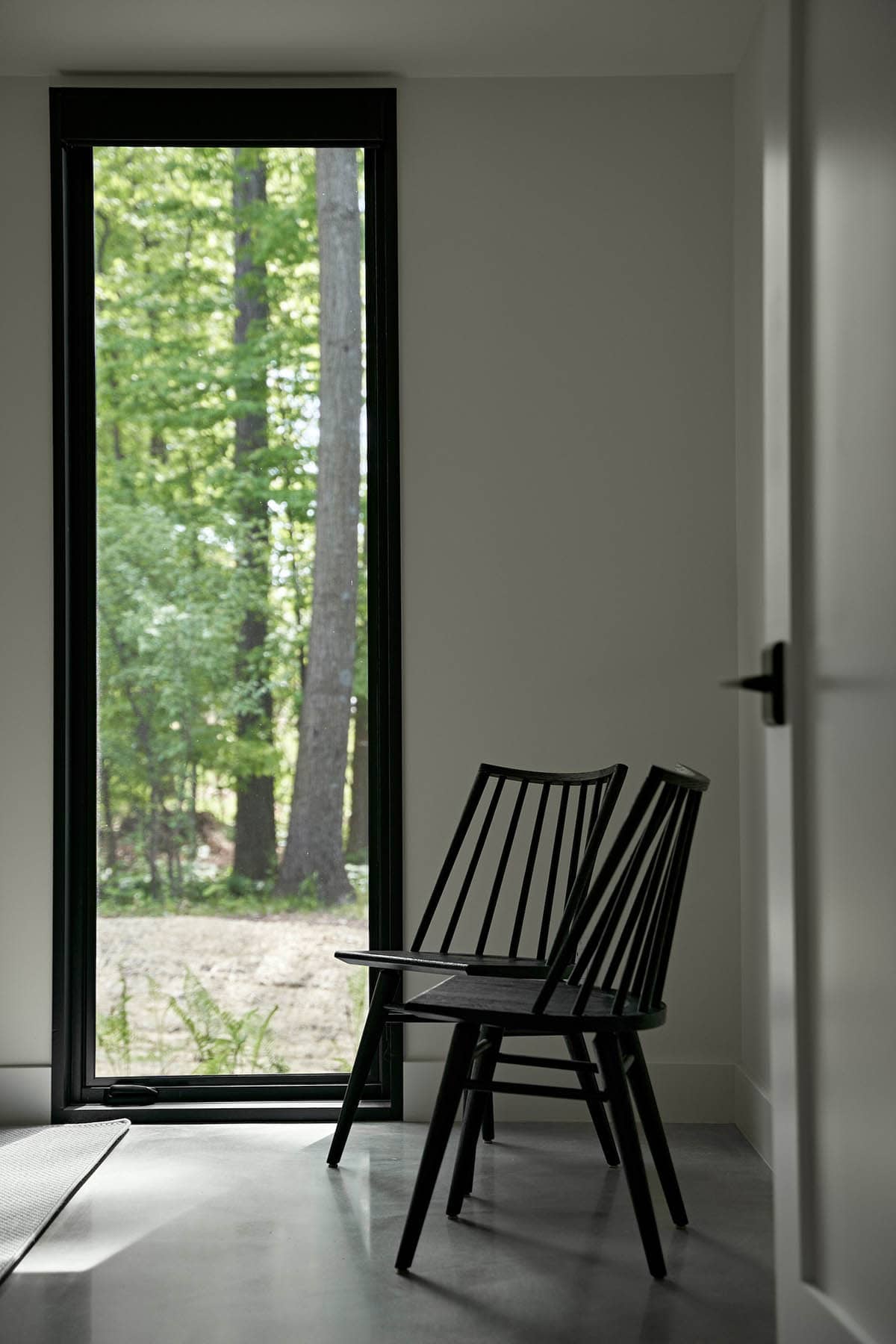
Inside, oak rafters supporting the tall ceilings and long spans are offset by the minimalism of white walls and simple artisan furniture. Concrete floors ground the home on the sloping glacial terrain and complete an interior aesthetic that celebrates just the essentials.
What We Love About This Home
This multi-generational lake house blends a timeless aesthetic with the rich texture of shou sugi ban siding. Its three independent living areas can function together or as separate enclaves, making it the ultimate family retreat. Thoughtfully designed for aging in place, the home balances style, flexibility, and functionality for generations to enjoy. We love this concept of family togetherness, cherished memories spent at the lake, and clean, contemporary architecture that is durable and will stand the test of time.
Tell Us: Would this be your idea of the perfect family vacation retreat on the lake? Let us know why or why not in the Comments below!
Note: Be sure to check out a couple of other fabulous home tours that we have featured here on One Kindesign in the state of Michigan: Charming lakeside home inspired by the spectacular views of Lake Michigan and Beautiful shingle style cottage on the shores of Little Traverse Bay, Michigan.
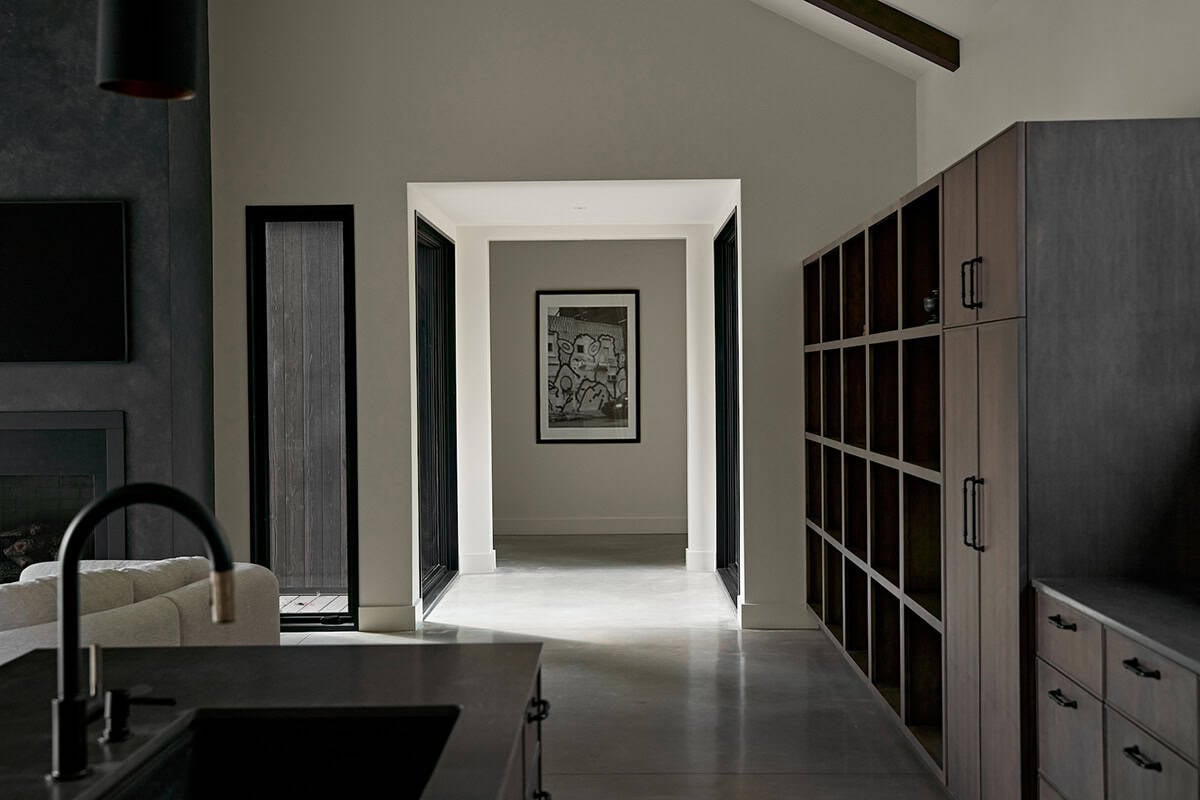
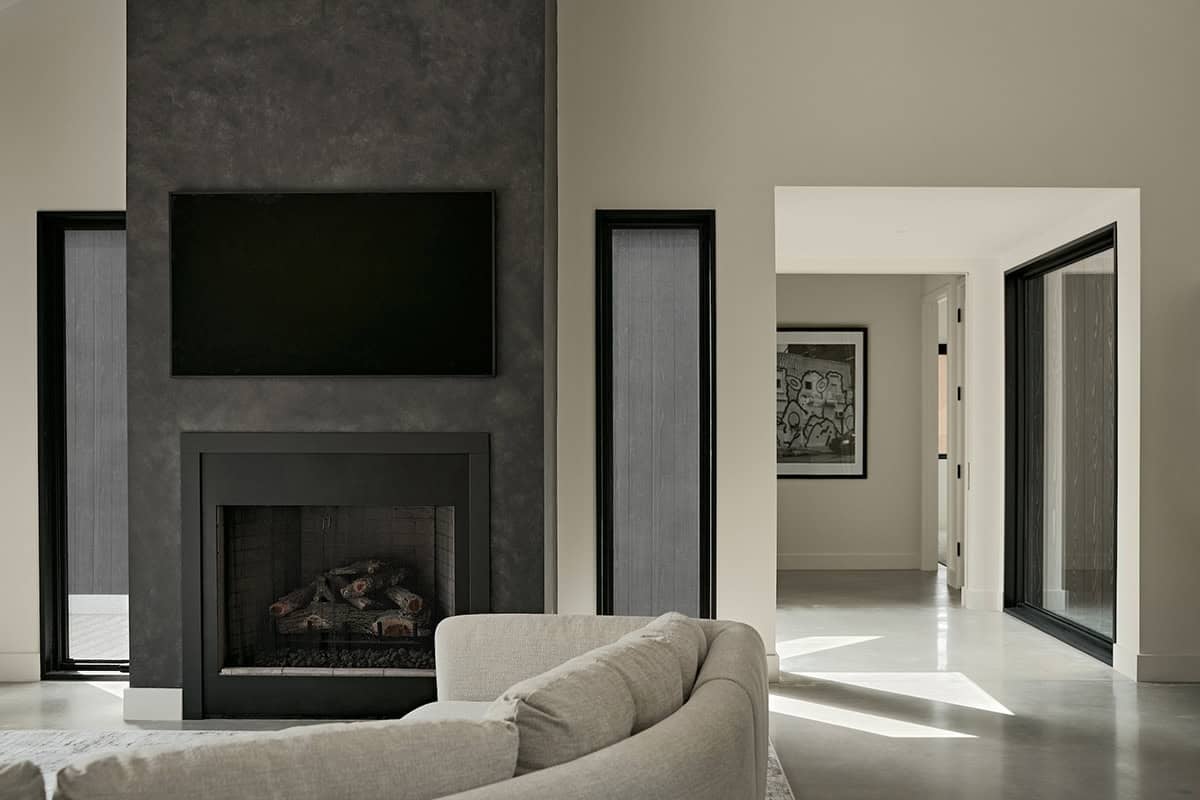
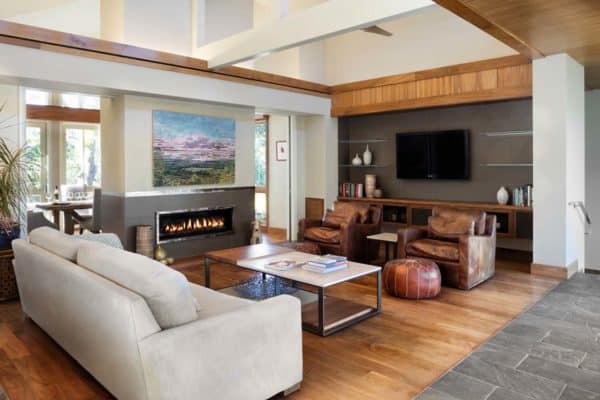
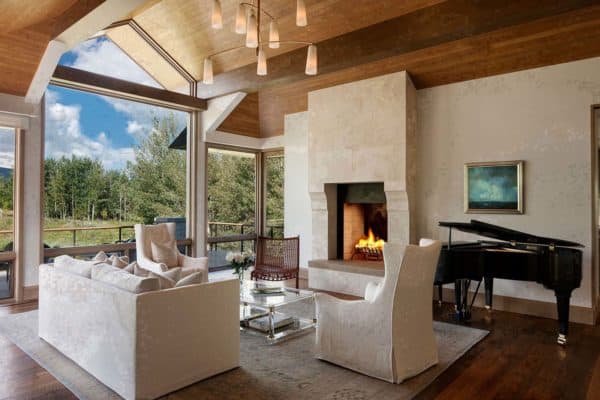
The interior design features an open-concept kitchen, a stone fireplace, and wood beams, paired with modern elements to create a restorative space. Large windows throughout the home seamlessly connect indoor comfort with outdoor spaces, including an expansive deck for hosting family.
How Long Does Shou Sugi Ban Last and What Affects Its Longevity
Shou sugi ban, a traditional Japanese wood-charring technique, can last at least 80–100 years in exterior use when properly installed and maintained, according to Nakamoto Forestry’s research. The material’s longevity isn’t just a fixed number—it depends on design, installation quality, maintenance, and local weather conditions. Without maintenance, charred wood will slowly deteriorate until it becomes too thin to protect the structure, but in Japan, it has historically lasted about a century.
Appearance and longevity are separate considerations: while shou sugi ban siding protects against weather, UV exposure, and rain, it gradually wears away the soot or oil layer, causing the wood to change color over time. The char layer may fade, revealing reddish-brown or gray tones before eventually silvering, with orientation and exposure influencing the rate at which these changes occur. Regular re-oiling can help preserve both appearance and durability.
Factors such as roof overhangs, proper flashing, fastener selection, and proper installation practices significantly affect the service life of shou sugi ban siding. Climatic conditions also play a role: cold climates may help preserve wood for longer, whereas dry deserts or humid areas can accelerate degradation. Thoughtful design and periodic maintenance—such as applying oil finishes and keeping the siding dry—can extend the useful life of shou sugi ban beyond typical expectations.
PHOTOGRAPHER Round Three Photography
Firm Profile
Disbrow Iannuzzi Architects is an award-winning design studio based in Detroit, Michigan. Founded in 2024 by Jonathan Disbrow and David Iannuzzi, the firm’s thoughtful and innovative approach to practice is informed by the principals’ extensive experience leading projects of vastly different typologies and scales, in the US and internationally, over the past three decades.
Disbrow Iannuzzi Architects works across architecture, interior design, and design-build, with a focus on residential architecture and commercial, cultural, and hospitality spaces. Responsive to people and place, the firm’s design process is guided by a commitment to compositional rigor, technical dexterity, and the creation of elegant, direct, and research-based design solutions.
Dedicated to the art of making, its overarching goal is to enhance life through good design. This includes a belief in environmentally and ethically responsible design, and the importance of striving for sustainability in its practice. The studio and its principals have been recognized nationally and internationally through peer-reviewed awards and leading design publications. Most recently, Disbrow Iannuzzi Architects was included in Forbes 2025 list of America’s Top 200 Residential Architects.
To learn more, see: https://www.di.studio



0 comments